
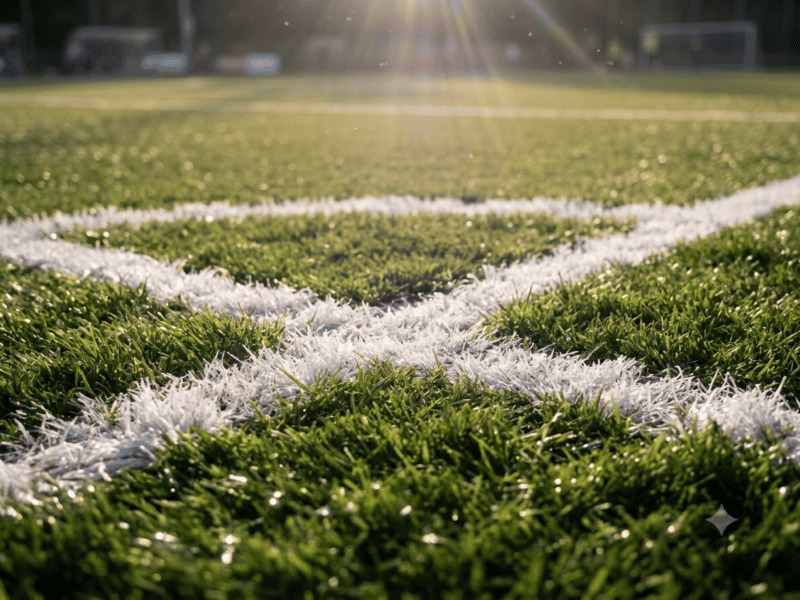
Artificial grass (also known as artificial turf) has gained immense popularity across sports fields, residential landscaping, kindergarten playgrounds, and interior design due to its evergreen aesthetics, superior durability, and low maintenance. However, in practical applications, many buyers and end-users encounter a frustrating issue: persistent turf odor. This not only ruins the user experience but can also hide serious environmental safety and health liabilities.
As a leading artificial grass manufacturer, we believe it is vital to demystify this issue. Odor in synthetic turf is never an accident—it is heavily correlated with raw material choices, manufacturing processes, installation materials, and post-installation care. Understanding where these smells come from and how to professionally eliminate them is essential to ensuring your green space remains beautiful, safe, and truly healthy.
1. Root Causes: Where Does the Artificial Turf Smell Come From?
The odor emitted by artificial grass primarily stems from the chemical compounds used in the turf itself and its accompanying installation accessories. The most critical component of this odor is the release of Volatile Organic Compounds (VOCs).
- Inferior Yarn and Backing Materials: The grass blades (yarn) and the backing form the structural core of synthetic turf. Premium manufacturers utilize high-grade, virgin polyethylene (PE) and polypropylene (PP) pellets combined with advanced chemical stabilization. However, some budget-focused factories cut costs by using recycled plastics or low-grade polymers. If these materials do not undergo rigorous environmental purification during extrusion, unreacted chemical residues remain locked inside. Once installed—especially when exposed to high temperatures and poor ventilation—the turf continuously releases sharp, pungent chemical fumes.
- Substandard Installation Accessories: Often, the grass itself isn’t the sole culprit. The specific adhesives (seaming glues) and infill granules (such as low-tier crumb rubber) utilized during installation can exacerbate the issue. If these accessories fail to meet strict environmental criteria, they can off-gas heavy amounts of formaldehyde, benzene, and other toxic chemicals. When combined with the synthetic fibers, the overlapping chemical emissions create a severe, compounded odor problem—particularly noticeable in enclosed indoor facilities or under hot summer sunlight.
Manufacturer’s Note: Thermal acceleration is a major factor. As outdoor temperatures rise, the molecular activity within low-quality polymers increases, causing VOCs to off-gas at up to three times their normal rate.
2. Hidden Hazards: The Health Risks of Chemical Odors
The strong smell from low-quality artificial turf is far more than a sensory inconvenience; it represents a tangible health risk for long-term users.
- Short-Term Symptoms: Immediate or brief exposure to high-VOC turf can cause acute symptoms including dizziness, headaches, nausea, coughing, eye irritation, and throat discomfort.
- Long-Term Damage: Chronic inhalation of toxic gases like formaldehyde and benzene can inflict lasting damage on the human respiratory and immune systems. Benzene is a known carcinogen, and prolonged exposure can severely impact hematopoiesis.
- Vulnerable Groups: These risks are drastically magnified for children and the elderly, whose immune systems are either developing or compromised. Given that artificial turf is heavily featured in schools, kindergartens, and backyard play areas, verifying environmental safety is an absolute necessity. Selecting turf based solely on low pricing can introduce severe long-term liabilities.
3. Solutions: Source Control and Professional Elimination Techniques
Resolving the artificial grass odor dilemma requires a dual-strategy approach that balances “source prevention” with “scientific remediation.”
Phase 1: Source Control (The Factory & Purchase Level)
Prevention is always the most cost-effective solution. When sourcing artificial turf, procurement teams should prioritize suppliers with verified international environmental certifications (such as ISO9001, ISO14001, CE, RoHS, and REACH). Always demand a comprehensive VOC testing report to ensure the yarn, backing, and recommended adhesives comply with strict safety regulations.
Phase 2: Proper Installation Protocol
Ensure that your installation takes place in a highly ventilated environment. Avoid unventilated indoor installations without active air exchange systems. Post-installation, keep all doors and windows open to accelerate the initial off-gassing phase of the turf and seaming adhesives.
Phase 3: Remediation for Existing Odors
If you have already installed synthetic turf that exhibits a mild or moderate odor, apply these effective elimination techniques:
- Enhanced Ventilation: Use industrial fans or natural cross-breezes to keep air moving across the turf surface constantly.
- Eco-Friendly Deodorizers: Spray professional-grade, non-toxic bio-enzymatic turf cleaners or specialized VOC-neutralizing agents. These break down odor-causing molecules rather than just masking them.
- Activated Charcoal Filters: For indoor setups, positioning activated carbon bags or charcoal infills around the area can help adsorb airborne organic chemicals and lower volatile gas concentrations.
Crucial Warning: If the pungent chemical odor persists for months without fading, or if it triggers physical symptoms among users, the volatile gas levels are likely dangerously high. You must contact a certified third-party testing agency immediately. If the turf fails chemical safety standards, a complete replacement is required to protect public health.
Choose Safety, Choose Quality: Our Factory Guarantee
As a premium artificial grass manufacturer, we prioritize human health and environmental sustainability above all else. Our production facility utilizes 100% pure, virgin PE and PP raw materials alongside eco-friendly, non-toxic backing formulations. Every batch of our artificial turf undergoes rigorous lab testing to ensure zero toxic off-gassing and extremely low VOC footprints, meeting international safety metrics.
Don’t compromise health for cost. Contact our engineering team today to receive certified product samples, authoritative environmental test reports, and tailored turf solutions for your next project.