
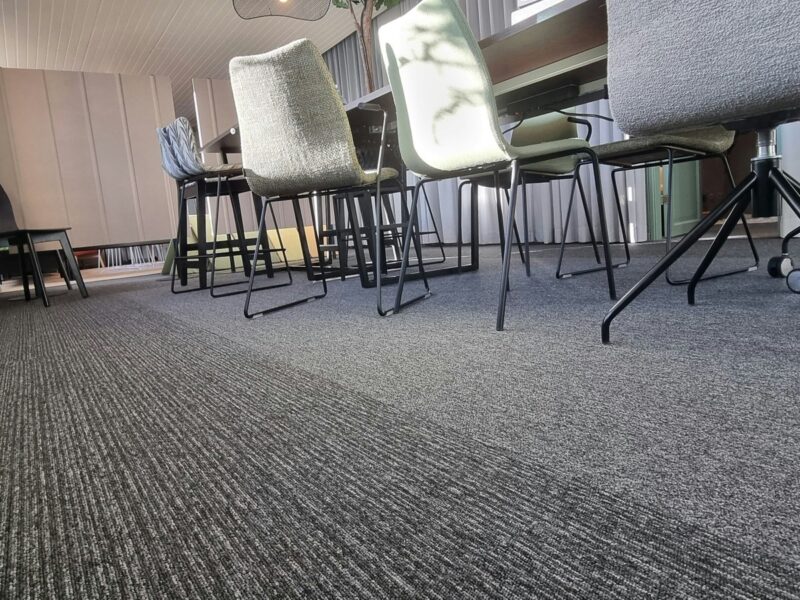
Wall-to-Wall Carpets: B2B Buyer’s Guide for Commercial Spaces
Wall-to-wall carpets remain a cornerstone of commercial interior design across offices, hotels, retail stores, healthcare facilities, and educational institutions. For B2B buyers, specifying commercial wall-to-wall carpets is far more complex than selecting a residential flooring option. The decision carries long-term implications for operational budgets, indoor environmental quality, brand perception, and occupant satisfaction. Procurement teams, facility managers, and specifiers must evaluate a dense matrix of performance characteristics, including fiber chemistry, pile construction, backing systems, and third-party certifications, while simultaneously balancing aesthetic requirements and capital expenditure constraints.
Unlike residential installations, commercial carpets endure relentless foot traffic, rolling loads, frequent cleaning regimens, and the occasional accident involving coffee, ink, or chemical spills. A carpet that looks stunning in a showroom may fail within eighteen months in a busy hotel lobby if the wrong construction or fiber is chosen. Conversely, an appropriately specified carpet can deliver a decade or more of reliable service, reducing lifecycle costs and contributing to a healthier, quieter indoor environment.
This guide is written specifically for B2B buyers who need actionable, technical, and commercially grounded advice. It covers why carpet selection matters at an organizational level, the key criteria that should drive specification decisions, tailored recommendations for different commercial environments, installation and maintenance best practices, common procurement mistakes, and a forward-looking view of industry trends. By the end, you should be equipped to make an informed, defensible purchasing decision, whether you are outfitting a single floor or rolling out carpet across a multi-site property portfolio.
Why Commercial Wall-to-Wall Carpets Matter for Your Business
The case for commercial wall-to-wall carpets extends well beyond aesthetics. In high-traffic environments such as corporate headquarters, convention centers, and retail flagship stores, carpet serves as a functional building component that influences acoustics, air quality, safety, and employee well-being. Understanding these benefits helps B2B buyers justify investment levels to finance teams and other stakeholders.
Acoustic Performance and Noise Reduction
Sound absorption is one of the most underrated benefits of carpet in commercial settings. Hard flooring surfaces reflect sound, creating reverberation that makes open-plan offices feel chaotic and hotel corridors echo loudly at night. Carpeted surfaces absorb impact noise and reduce airborne sound transmission, which is particularly important in spaces where confidentiality, concentration, or guest comfort is a priority. For call centers, law offices, and healthcare waiting areas, the acoustic contribution of a properly specified carpet can directly affect productivity and patient or client experience.
Indoor Air Quality and Health Considerations
Modern commercial carpets, particularly those carrying recognized low-emission certifications, can contribute positively to indoor air quality by trapping dust, pollen, and other particulates that would otherwise remain airborne. When maintained with appropriate vacuuming and periodic deep cleaning, carpet acts as a passive filtration system. This is especially relevant for facilities pursuing green building credentials or aiming to reduce allergy triggers among occupants. For a deeper exploration of this topic, see how wall-to-wall carpets transform commercial health and hygiene.
Brand Image and Employee Comfort
Flooring is one of the largest visible surfaces in any commercial interior, and it communicates a great deal about a brand’s values. A well-chosen carpet can reinforce a premium hospitality identity, signal professionalism in a corporate lobby, or create warmth in a retail environment. Beyond image, carpet provides underfoot comfort that reduces fatigue among employees who stand for long periods, such as retail associates and hospitality staff. This comfort factor can translate into measurable improvements in morale and productivity.
Lifecycle Cost Advantages
While the upfront cost of commercial wall-to-wall carpets may exceed that of some hard flooring options, the lifecycle economics often favor carpet when properly specified and maintained. Carpet can reduce heating and cooling costs through thermal insulation, minimize slip-and-fall incidents, and protect subfloors from wear. When replacement frequency is low, the total cost of ownership becomes highly competitive, particularly in spaces where acoustic and comfort requirements rule out hard alternatives.
Key Selection Criteria for B2B Buyers
Selecting the right commercial wall-to-wall carpets requires a structured evaluation of several technical and commercial factors. The following criteria should form the backbone of any specification or tender document.
Fiber Type
Fiber choice is the single most influential factor in determining a carpet’s durability, appearance retention, and maintenance profile.
- Nylon: The gold standard for commercial applications. Nylon offers excellent resilience, abrasion resistance, and color retention. Solution-dyed nylon, in which pigment is added during fiber extrusion, delivers superior fade and stain resistance compared with stock-dyed alternatives.
- Olefin (Polypropylene): A budget-friendly option with good moisture and stain resistance. Olefin is common in retail and some hospitality applications but tends to have lower resilience than nylon, making it less suitable for extreme traffic.
- Wool: Prized for its luxury feel, natural flame resistance, and soil-hiding properties. Wool is often specified in high-end hospitality and executive office environments, though it commands a higher price and requires careful maintenance.
- Polyester (PET): Increasingly popular due to recycled content availability. Polyester offers good stain resistance and softness but may not match nylon’s durability under heavy rolling loads.
Construction and Pile Type
Carpet construction determines how the product performs underfoot and how well it hides soil and wear.
- Loop pile: Dense, tightly tufted loops resist crushing and matting, making loop pile ideal for corridors, lobbies, and other heavy-traffic zones. Level loop and multi-level loop variants offer different aesthetic effects.
- Cut pile: Fibers are cut to create a plush, soft surface. Cut pile is common in guest rooms, executive offices, and lounges where comfort and luxury are priorities, but it can show footprints and require more frequent grooming.
- Cut and loop: Combines the durability of loop with the softness of cut pile, often used in patterned designs that hide soiling.
Backing Systems
The backing affects dimensional stability, moisture resistance, and installation method.
- PVC backing: Highly durable and moisture-resistant, suitable for glue-down installations in high-traffic areas.
- Polyurethane backing: Offers excellent comfort and acoustic performance, often used in hospitality and healthcare.
- Jute backing: A natural option typically used with tackless installation; less resistant to moisture and better suited to dry environments.
Performance Ratings
B2B buyers should insist on documented performance metrics rather than relying on showroom impressions. Key metrics include face weight (ounces per square yard), density (tufts per inch), pile height, and traffic classification ratings such as those published by industry bodies. Higher face weight and density generally correlate with better durability, though construction and fiber type also play significant roles.
Certifications and Sustainability
Third-party certifications provide independent verification of environmental and health claims. The CRI Green Label Plus program, for example, certifies low VOC emissions, while ISO 14001 indicates a manufacturer’s commitment to environmental management systems. These certifications are increasingly required in green building projects and corporate sustainability reporting.
Top Recommendations by Commercial Environment
Different commercial environments demand different carpet specifications. The following recommendations reflect common best practices, though every project should be evaluated on its specific traffic, soiling, and design requirements.
High-Traffic Offices
For corporate offices with heavy foot traffic, solution-dyed nylon loop pile with PVC backing is a reliable specification. This combination resists crushing, hides soil, and withstands frequent cleaning. Neutral colors with subtle patterns help mask wear in corridors and elevator lobbies.
Hospitality and Hotels
Guest rooms benefit from plush cut pile in stain-resistant fibers, which deliver comfort and a sense of luxury. Public areas such as lobbies and ballrooms often require a denser loop or cut-and-loop construction to handle luggage carts and event traffic. Moisture-resistant backing is advisable in areas prone to spills.
Retail Spaces
Retail environments benefit from patterned loop pile, which hides soil and defines zones without requiring physical dividers. Multi-color patterns can also reinforce brand identity while extending the interval between cleanings. For stores with heavy rolling loads, such as those using pallet jacks, a denser construction is essential.
Healthcare Facilities
Healthcare settings require non-slip, antimicrobial carpets with fluid barrier backing to support infection control. Carpet in patient rooms and corridors should be easy to clean and resistant to chemical disinfectants. For areas where hygiene demands are extreme, specifiers may also consider seamless alternatives such as stylish seamless EPDM rubber flooring eco safe for premium commercial projects, which can complement carpet in clinical zones.
Education and Public Buildings
Schools and public buildings benefit from durable loop pile carpets that reduce noise and withstand heavy use. Solution-dyed nylon is again a strong choice, and patterns that hide dirt are particularly valuable in corridors and cafeterias.
Installation and Maintenance Best Practices
Even the best-specified carpet will underperform if installation and maintenance are neglected. B2B buyers should include installation methodology and maintenance planning in their procurement scope.
Installation Methods
Direct glue-down installation is common in commercial settings because it provides dimensional stability and resists buckling under rolling loads. Tackless installation, using gripper strips, is more common in residential and some hospitality applications where a softer feel is desired. The choice depends on subfloor condition, traffic type, and whether the carpet will be replaced frequently.
Acclimation and Subfloor Preparation
Carpet should be acclimated to the installation environment for 24 to 48 hours before installation to prevent buckling and seam separation. Subfloor moisture testing is essential; excess moisture can cause adhesive failure, mold growth, and delamination. Proper subfloor cleaning and leveling also ensure a smooth, long-lasting installation.
Routine and Deep Cleaning
A documented maintenance program should include routine vacuuming with appropriate equipment, periodic deep cleaning using hot water extraction or encapsulation, and immediate spill response with manufacturer-approved cleaning agents. High-traffic areas may require more frequent cleaning cycles to maintain appearance and extend lifespan.
Long-Term Maintenance Planning
Facility managers should budget for maintenance from day one, including equipment, cleaning chemicals, and staff training. A proactive maintenance plan reduces the likelihood of premature replacement and helps preserve warranty coverage.
Common Mistakes to Avoid in Commercial Carpet Procurement
Many carpet failures in commercial settings stem from avoidable procurement errors. Being aware of these pitfalls can save significant time and money.
- Choosing based on upfront cost alone: The cheapest option often has the shortest lifespan, leading to higher lifecycle costs. B2B buyers should compare total cost of ownership, including maintenance and replacement.
- Ignoring traffic patterns: Areas with concentrated foot traffic, such as corridors and entrances, require different specifications than low-traffic offices.
- Skipping moisture testing: Failing to test subfloor moisture can lead to mold, adhesive failure, and costly remediation.
- Neglecting maintenance planning: Without a clear maintenance protocol, even high-quality carpet can degrade quickly.
- Overlooking certifications: Ignoring third-party certifications can result in indoor air quality issues and missed sustainability goals.
For a broader perspective on balancing style and performance, see this guide to choosing the perfect carpets for style and comfort, which complements the technical criteria outlined here.
Future Trends and Outlook for Commercial Wall-to-Wall Carpets
The commercial carpet industry is evolving in response to sustainability mandates, digital design tools, and changing workplace norms. One notable trend is the increasing use of recycled and bio-based materials, including PET derived from post-consumer plastic bottles and bio-based backing systems. Manufacturers are also investing in carbon-neutral production processes and transparency initiatives such as environmental product declarations.
Design-wise, modular and hybrid approaches are gaining traction, allowing facility managers to replace individual tiles or sections rather than entire floors. Digital printing technology is enabling highly customized patterns and brand-specific graphics, while also improving soil-hiding capabilities. In terms of performance, antimicrobial treatments and fluid barrier backings are becoming more sophisticated, supporting infection control in healthcare and public spaces.
Looking ahead, B2B buyers can expect greater integration of smart building technologies, including sensors embedded in flooring to monitor traffic and maintenance needs. As sustainability reporting becomes more rigorous, specifying carpets with verified environmental credentials will shift from a nice-to-have to a baseline expectation. Buyers who stay informed about these trends will be better positioned to make future-proof investments. For design inspiration, explore how rhythmic lines transform carpets into dynamic visual statements that align with modern commercial interiors.
Frequently Asked Questions
How long does commercial wall-to-wall carpet last?
With proper specification, installation, and maintenance, commercial wall-to-wall carpets typically last between 7 and 15 years. Lifespan depends on traffic levels, fiber type, construction, and the quality of the maintenance program.
Can carpet be installed over existing hard floors?
Yes, carpet can often be installed over existing hard floors, provided the subfloor is clean, level, and dry. Proper underlayment and subfloor preparation are essential to prevent moisture issues and ensure a stable installation.
What is the best fiber for heavy traffic?
Solution-dyed nylon is widely regarded as the best fiber for heavy traffic due to its superior durability, color retention, and stain resistance. It is particularly well suited to offices, retail, and hospitality environments.
Are there eco-friendly options?
Yes. Many manufacturers now offer carpets with recycled content, bio-based materials, and low-emission certifications such as CRI Green Label Plus. These options support sustainability goals without compromising performance.
Conclusion
Specifying commercial wall-to-wall carpets is a strategic decision that affects budgets, occupant comfort, and brand image for years. B2B buyers should prioritize performance metrics, lifecycle costs, and third-party certifications over upfront price alone. Leveraging manufacturer expertise and independent certifications enables more informed, defensible procurement decisions. To explore a curated range of options, browse the wall-to-wall carpets collection and connect with a reliable supplier who can support consistent quality and long-term service. For project-specific guidance, reach out through the contacts page to discuss your requirements with a specialist.
Related reading: Carpet Pile, Density & Tufting: Specifier’s Guide
Related reading: Commercial Carpet Installation: Subfloor Prep & Best Practices
Related reading: The Ultimate Guide to Choosing Carpet Material for High-Traffic Commercial Spaces
Related reading: The Ultimate Guide to Faux-Fur Carpets for Hospitality and Commercial Projects
Related reading: What Buyers Should Know About Custom 5-Star Hotel Luxury Wall-to-Wall Carpets