
The Ultimate Guide to Faux-Fur Carpets for Hospitality and Commercial Projects
Introduction
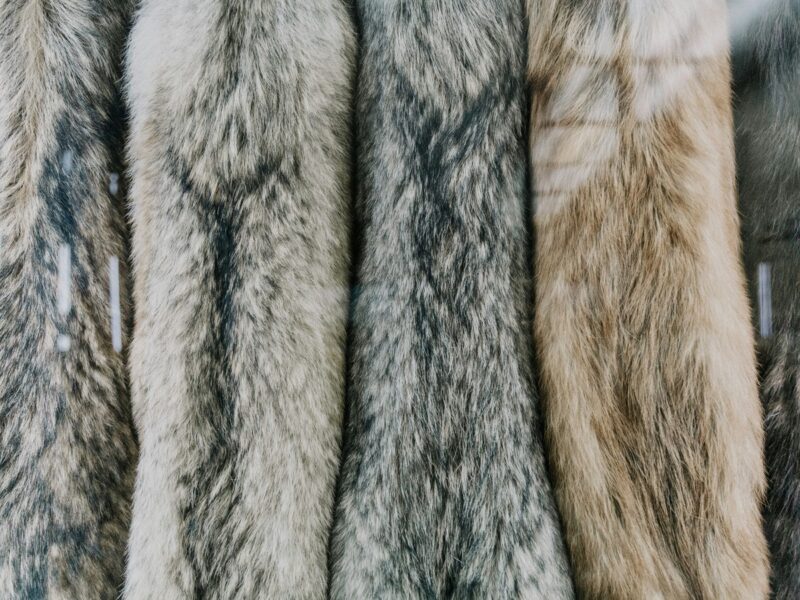
Faux-fur carpets have emerged as one of the most distinctive and fast-growing trends in commercial interior design, offering a rare combination of luxury, tactile comfort, and practical performance. Once confined to residential dens and boutique dressing rooms, these textured floor coverings are now specified in hotel lobbies, executive offices, fitness centers, retail flagship stores, and branded exhibition spaces. Their appeal lies in the way they engage the senses: the soft, dense pile invites touch, absorbs sound, and creates an atmosphere of warmth that hard flooring simply cannot replicate. For architects, facility managers, and procurement teams, however, the decision to specify faux-fur carpets involves far more than aesthetics. It requires a careful evaluation of fiber technology, pile construction, backing systems, fire compliance, maintenance regimes, and lifecycle costs.
This guide is designed to help commercial buyers navigate that decision with confidence. Whether you are refurbishing a five-star hotel, designing a co-working lounge, or equipping a gym with hygienic yet comfortable flooring, understanding the technical and practical dimensions of faux-fur carpets will help you avoid costly mistakes and deliver spaces that perform as beautifully as they look. From hotel lobbies to fitness studios, faux-fur carpets can transform ordinary environments into memorable destinations with their unmistakable tactile appeal and visual warmth.
Why Faux-Fur Carpets Matter in Commercial Interiors
The commercial case for faux-fur carpets rests on three pillars: guest experience, acoustic performance, and durability. In hospitality settings, flooring is one of the first things a visitor notices and one of the last they forget. A plush faux-fur carpet underfoot signals comfort, intimacy, and attention to detail. It encourages guests to linger in lobbies, relax in lounges, and feel at home in guest rooms. Designers increasingly use these carpets as a sensory counterpoint to sleek, hard surfaces such as stone, glass, and metal, softening the overall composition of a space. If you are exploring broader flooring strategies alongside faux fur, our guide to choosing the perfect carpets for style and comfort provides a useful companion framework for balancing aesthetics with function.
Acoustically, faux-fur carpets are highly effective at dampening sound. Their deep, irregular pile traps airborne noise and reduces footfall impact, which is particularly valuable in busy public areas such as offices, gyms, corridors, and hotel lobbies. In open-plan workplaces, where hard floors can amplify conversations and equipment noise, a faux-fur installation in breakout zones can meaningfully lower ambient sound levels and improve concentration. In gyms, the same properties help absorb the clatter of dropped weights and reduce echo in large training halls.
Durability is the third pillar. Modern faux-fur carpets are manufactured from synthetic fibers, typically solution-dyed nylon or polyester, which resist staining, fading, and crushing far better than natural fur. These fibers can be engineered for high-traffic commercial use, with dense construction and resilient backing systems that hold their shape over years of use. Compared with natural fur, synthetic alternatives are also easier to clean, less susceptible to moisture damage, and free from the ethical and supply-chain concerns associated with animal products. For procurement teams, that translates into predictable performance, simpler maintenance, and a lower total cost of ownership.
Key Selection Criteria for Commercial Faux-Fur Carpets
Specifying the right faux-fur carpet begins with a clear understanding of the space, its traffic patterns, and its maintenance capabilities. The following criteria should guide every commercial purchase decision.
Pile Height and Density
Pile height and density are the primary determinants of both appearance and performance. Higher piles deliver a more luxurious, fur-like appearance and a deeper tactile experience, making them ideal for low-traffic, high-impact areas such as hotel suites, VIP lounges, and executive offices. However, taller piles can mat, crush, and trap debris more readily, and they demand more frequent grooming and deeper cleaning. Lower, denser piles are more resilient and easier to maintain, which makes them the better choice for corridors, lobbies, gyms, and other high-traffic zones. As a general rule, the busier the space, the shorter and denser the pile should be.
Fiber Type
Fiber selection directly affects stain resistance, colorfastness, and longevity. Solution-dyed nylon is widely regarded as the gold standard for commercial carpets because the pigment is added to the fiber during manufacturing, making the color integral to the yarn rather than applied to the surface. This results in exceptional resistance to fading, bleaching, and staining. Polyester offers excellent color clarity and softness at a competitive price point, though it may be slightly less resilient under heavy foot traffic. For spaces where hygiene is critical, such as gyms and healthcare-adjacent environments, fibers treated with antimicrobial additives provide an additional layer of protection.
Backing System
The backing system determines dimensional stability, moisture resistance, and installation method. Action backing, a synthetic secondary backing, is a cost-effective option suitable for many commercial applications. Urethane backing offers superior strength, moisture resistance, and tuft bind, making it a strong choice for high-traffic and humidity-prone areas. Vinyl backing, including cushion vinyl and solid vinyl systems, provides excellent stability and is often used in healthcare and education settings where moisture and sanitation are concerns. The right backing should be selected in consultation with the installer and aligned with the subfloor conditions and cleaning methods anticipated.
Fire Ratings and Certifications
Fire code compliance is non-negotiable in commercial construction. Faux-fur carpets specified for commercial projects should meet relevant standards such as ASTM E648 (critical radiant flux) and NFPA 253, which govern the flame spread characteristics of floor coverings. Depending on the jurisdiction and occupancy type, additional certifications such as Class I or Class II ratings, smoke density requirements, and low-VOC emissions certifications may apply. Failing to verify these credentials before purchase can result in failed inspections, costly remediation, and project delays. Always request test documentation from the manufacturer and confirm that the product is approved for your specific application.
Color and Pattern
Color and pattern choices should serve both design intent and practical maintenance. Neutral tones such as greige, taupe, and soft charcoal are effective at hiding soil and wear, making them a smart choice for high-traffic public areas. Bold colors, gradients, and custom patterns can make powerful statements in design-centric spaces such as boutique hotels, retail environments, and branded installations. For projects that use linear or rhythmic design motifs, our article on how rhythmic lines transform carpets explores how pattern and movement can be used to guide the eye and define zones within a commercial floor plan.
Top Recommendations by Application
Different commercial environments demand different expressions of faux-fur carpeting. The following recommendations reflect common best practices across four key sectors.
For Hotels
In hotels, faux-fur carpets shine in guest rooms, suites, and boutique lounges. Plush, high-pile constructions in warm neutrals or subtle metallic tones create a cozy, upscale feel that encourages relaxation. For corridors and lobbies, a slightly shorter, denser pile balances luxury with durability. Custom-cut rugs and runners can be used to define seating areas and add a layer of visual interest without overwhelming the overall design.
For Offices
In office environments, faux-fur carpets work best in breakout areas, collaboration zones, and reception spaces where texture can soften an otherwise hard-edged interior. Low-pile faux-fur tiles or broadloom are ideal here, adding tactile warmth without creating maintenance burdens. For offices that need a more industrial or high-performance floor in adjacent areas, products such as upscale EPDM composite rubber flooring can complement faux-fur installations and create a cohesive, functional design language.
For Gyms and Fitness Centers
Gyms require flooring that balances comfort, hygiene, and resilience. Dense, short-pile faux-fur carpets with antimicrobial treatments are well suited to stretching zones, recovery areas, and boutique studio spaces. They provide cushioning underfoot, reduce noise from dropped equipment, and resist the moisture and odor issues that can plague other soft surfaces. In heavier training areas, faux-fur carpets are best used selectively alongside rubber or vinyl performance flooring.
For Public Spaces and Branded Environments
In entrances, exhibition halls, and branded environments, custom-cut faux-fur mats offer a powerful opportunity for storytelling. Logos, wayfinding graphics, and signature colors can be tufted or printed directly into the pile, turning a functional mat into a brand touchpoint. These installations are particularly effective in retail flagship stores, trade show booths, and cultural venues where first impressions matter.
Installation and Maintenance
Proper installation and a disciplined maintenance program are essential to realizing the full lifecycle value of faux-fur carpets.
Installation Considerations
Professional installation is strongly recommended for all commercial faux-fur carpet projects. The subfloor must be clean, dry, and level, with moisture levels tested and documented before installation begins. Depending on the backing system, installers may use a tackless strip method or direct glue-down application. Tackless strip installation preserves a degree of cushioning and is common in residential-style hospitality settings, while direct glue-down offers superior dimensional stability and is preferred in high-traffic commercial environments. Transitions, seams, and edge details should be planned in advance to ensure a clean, professional finish.
Maintenance Best Practices
Routine maintenance should begin with regular vacuuming using a suction-only vacuum head, which lifts debris without distorting the pile. Beater bars and aggressive brush settings should be avoided, as they can crush or fray faux-fur fibers over time. Spot cleaning should be performed promptly with a mild detergent solution and a clean, white cloth, working gently from the outside of the stain inward. Harsh chemicals, bleach, and abrasive cleaners should never be used, as they can damage fibers, dull colors, and void manufacturer warranties. Periodic deep cleaning by qualified professionals, typically every six to twelve months depending on traffic, will refresh the pile and extend the carpet’s service life.
Lifecycle Expectations
With proper specification, installation, and care, faux-fur carpets can deliver five to ten years of reliable service in commercial settings. High-traffic installations with shorter, denser piles tend to sit at the upper end of that range, while plush, decorative installations in low-traffic areas may exceed it. Planning for eventual replacement and budgeting accordingly is a standard part of commercial asset management. Buyers who want a deeper grounding in commercial carpet procurement can consult our B2B buyer’s guide for wall-to-wall carpets for additional context on specification and sourcing.
Common Mistakes to Avoid
Even experienced buyers can stumble when specifying faux-fur carpets. The following pitfalls are among the most common and the most costly.
- Choosing based on appearance alone. A carpet that looks stunning in a showroom may fail quickly under heavy traffic if its pile and fiber are not matched to the application. Always weigh aesthetics against performance requirements.
- Ignoring fire code compliance. Overlooking fire ratings and certifications can lead to failed inspections, mandatory removal, and project delays. Verify compliance before placing orders.
- Using inappropriate cleaning agents. Harsh chemicals can damage fibers, strip color, and void warranties. Always follow the manufacturer’s cleaning guidelines and train maintenance staff accordingly.
- Underestimating lead times. Custom sizes, colors, and patterns often require extended production schedules. Build realistic lead times into project timelines to avoid last-minute compromises.
- Neglecting subfloor preparation. Poor subfloor conditions can cause premature wear, delamination, and uneven appearance, regardless of carpet quality.
- Failing to plan for maintenance. Without a documented cleaning schedule and trained staff, even the best-specified carpet will underperform.
Future Trends and Outlook
The future of faux-fur carpets in commercial interiors looks both sustainable and technologically enriched. Manufacturers are increasingly developing fibers from recycled content, including post-consumer PET and bio-based polymers, allowing specifiers to meet sustainability targets without sacrificing softness or durability. We are also seeing growth in modular faux-fur tile systems, which simplify replacement and reduce waste by allowing individual tiles to be swapped rather than entire floors. Digital printing technologies are making custom branding and complex patterns more accessible, opening new creative possibilities for hospitality and retail environments. Antimicrobial and easy-clean treatments are becoming more sophisticated, expanding the range of applications into healthcare, childcare, and wellness spaces. As building codes tighten and client expectations for both comfort and environmental responsibility rise, faux-fur carpets are likely to evolve into an even more versatile and specification-friendly category.
FAQs
Are faux-fur carpets suitable for high-traffic areas?
Yes, provided they are specified with dense, short piles and commercial-grade fibers such as solution-dyed nylon. High-traffic installations benefit from tighter construction, resilient backing, and a disciplined maintenance schedule.
How do I clean faux-fur carpets?
Regular suction-only vacuuming is the foundation of care. Spot clean spills promptly with a mild detergent solution, and schedule periodic professional deep cleaning. Avoid harsh chemicals, bleach, and abrasive tools that can damage fibers.
Can faux-fur carpets be used outdoors?
Not typically. Most faux-fur carpets are designed for indoor use. Unless a product is explicitly rated for outdoor applications, it should not be installed in exposed exterior environments where moisture, UV exposure, and temperature swings can degrade performance.
What is the typical lead time for faux-fur carpets?
Standard products generally ship within four to six weeks. Custom sizes, colors, and patterns may require longer production timelines, so early planning is essential for project schedules.
Conclusion
Faux-fur carpets offer a rare combination of aesthetics and practicality for commercial spaces, delivering tactile luxury, acoustic comfort, and durable performance in a single specification. By carefully considering traffic levels, maintenance capabilities, fire compliance, and lifecycle costs, buyers can select products that enhance guest experience and withstand the demands of daily commercial use. The category continues to evolve, with sustainable fibers, modular formats, and digital customization expanding what is possible for designers and facility teams alike.
To move from planning to procurement with confidence, consult with manufacturers for samples, technical specifications, and installation guidance. You can explore the full range of faux-fur carpets available for commercial projects, and when you are ready to discuss your requirements, reach out through our contacts page to speak with a specialist. With the right product and the right partner, faux-fur carpets can transform your next project into a space that is as memorable as it is high-performing.
Related reading: What Hoteliers Should Know About Hospitality Carpet Design Trends for 2026