
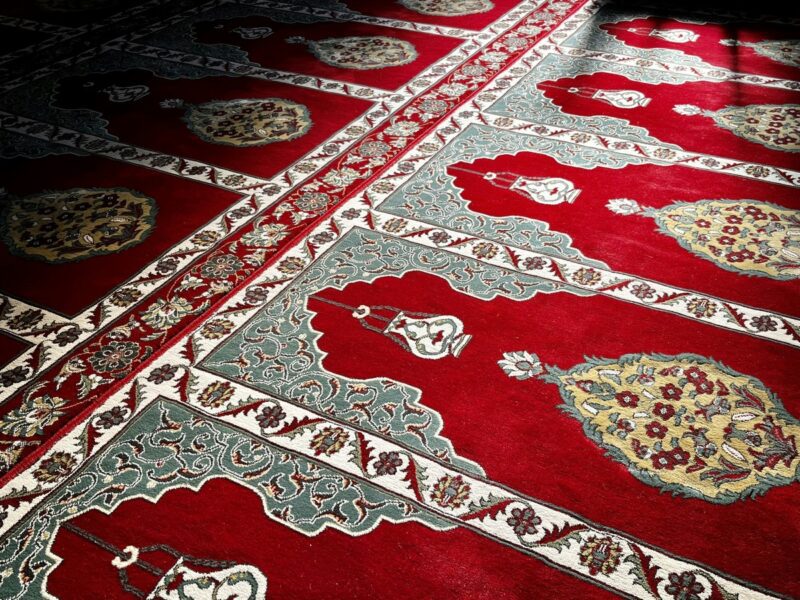
What Hoteliers Should Know About Hospitality Carpet Design Trends for 2026
Introduction
Hospitality carpet design is evolving at a pace that few hoteliers could have predicted just a decade ago. What was once a purely decorative decision has become a strategic one, shaped by guest expectations, sustainability mandates, operational efficiency, and the growing influence of wellness-driven interiors. As we move toward 2026, the properties that thrive will be those that treat flooring as an integral part of the guest experience rather than an afterthought.
Today’s travelers notice details. They register the softness underfoot when they step out of bed, the quiet hush of a well-carpeted corridor at midnight, and the visual warmth that a thoughtfully patterned floor brings to a lobby. At the same time, hotel owners are under pressure to reduce lifecycle costs, minimize downtime during renovations, and meet increasingly strict environmental standards. Hospitality carpet design sits at the intersection of all these demands, which is why understanding where the industry is heading matters more than ever.
Staying ahead of 2026 trends ensures your property remains competitive and guest-ready. Whether you operate a boutique inn, a branded select-service hotel, or a large resort, the choices you make about fiber, pattern, color, and installation will influence how guests perceive your property for years to come. This guide walks through the trends, selection criteria, and practical considerations that should shape your next carpet investment.
Why Hospitality Carpet Design Matters More Than Ever
Carpet is one of the few design elements in a hotel that every single guest interacts with physically. They walk on it barefoot, roll luggage across it, and spend more time in contact with it than almost any other surface. That constant engagement means carpet shapes guest perception in ways that are both subtle and significant. A worn, stained, or dated carpet can undermine an otherwise beautiful room, while a fresh, well-specified floor covering can elevate a space and reinforce a sense of care and quality.
Beyond aesthetics, carpet plays a critical acoustic role. Hotels are inherently noisy environments: footsteps in corridors, rolling carts, conversations in adjacent rooms, and the general hum of shared spaces. Carpet absorbs sound, reduces echo, and contributes to the quiet that guests consistently rank among their top priorities. In corridors and guest rooms especially, the acoustic benefits of a properly specified carpet are difficult to replicate with hard flooring.
Maintenance costs are another major factor. Hospitality carpet design that accounts for traffic patterns, soil hiding, and cleanability can dramatically extend the life of the installation and reduce the frequency of replacement. Over a ten-year horizon, the difference between a well-chosen carpet and a poorly chosen one can amount to tens of thousands of dollars in cleaning, repair, and replacement expenses.
Finally, the right design enhances brand identity. A distinctive pattern or colorway can become part of a property’s visual signature, reinforcing the story that the brand wants to tell. For hoteliers working with strict brand standards, carpet is often one of the few surfaces where creativity is still permitted, making it a powerful tool for differentiation. Understanding how to balance durability with design intent is central to getting this right, and resources like this guide to choosing carpet material for high-traffic commercial spaces can help clarify the trade-offs.
Key Selection Criteria for 2026 Projects
Before diving into trends, it’s worth grounding yourself in the fundamentals. The most beautiful carpet in the world will fail if it isn’t engineered for the environment it’s installed in. Hospitality carpet design in 2026 demands a rigorous approach to specification, starting with fiber type, pile density, and backing construction.
Fiber Type
Nylon remains the gold standard for hospitality applications thanks to its durability, resilience, and ability to hold color. Solution-dyed nylon, in particular, offers exceptional stain resistance because the pigment is infused into the fiber rather than applied on top. Polyester and olefin (polypropylene) are more budget-friendly options, but they tend to mat and crush more quickly in high-traffic areas. Wool blends, often used in luxury and Axminster applications, offer a rich hand and natural flame resistance, though they require more careful maintenance.
Pile Density and Weight
Pile density is a better indicator of durability than pile height alone. A dense, tightly tufted pile resists crushing and matting far better than a loose, tall pile. For corridors and lobbies, look for face weights in the 28–40 oz range or higher, depending on the traffic level. Guest rooms can often accommodate slightly lighter constructions, but skimping here usually leads to premature replacement.
Backing and Construction
The backing system determines how well the carpet performs under foot traffic, moisture, and cleaning. Commercial-grade backings, including action back, unitary, and cushion-backed systems, offer different combinations of stability, comfort, and moisture resistance. For areas prone to spills or humidity, moisture-resistant backings are essential.
Custom Patterns, Colorways, and Sustainability
Customization is one of the defining features of modern hospitality carpet design. Hotels increasingly want patterns that reflect their brand story, whether through bespoke motifs, signature colorways, or regionally inspired imagery. At the same time, sustainability certifications such as CRI Green Label Plus, NSF/ANSI 140, and Declare labels are becoming baseline expectations for many brands and ownership groups. Recycled content, low-VOC adhesives, and take-back programs are all part of the conversation now.
Aligning these choices with your brand standards early in the process saves time and prevents costly redesigns later. It also makes it easier to compare bids from different manufacturers on an apples-to-apples basis.
Top Hospitality Carpet Design Trends for 2026
With the fundamentals in place, here’s where the market is heading. These trends reflect a broader shift toward calm, biophilic, and adaptable interiors that can flex with changing guest expectations.
Modular Carpet Tiles for Flexibility
Modular carpet tiles continue to gain share in hospitality, particularly in public spaces, meeting rooms, and corridors. The appeal is straightforward: if a single tile is stained or damaged, it can be replaced without redoing an entire run. This dramatically reduces downtime, waste, and long-term cost. Modular systems also allow for creative patterning, with tiles rotated or mixed to create subtle visual movement. For hoteliers planning phased renovations or expecting heavy wear in specific zones, modular is often the smartest choice.
Biophilic Patterns and Muted Tones
Biophilic design, which draws on natural forms and materials to reduce stress and improve wellbeing, is shaping hospitality carpet design in a big way. Expect to see organic patterns inspired by water, stone, foliage, and topography, rendered in muted, earthy palettes: sage, clay, sand, mushroom, and soft mineral blues. These tones hide soil well, age gracefully, and create the calming atmosphere that today’s guests associate with premium hospitality. Bold, saturated color is not disappearing entirely, but it’s increasingly reserved for accent zones and statement areas rather than entire floors.
High-Performance Broadloom for Corridors and Guest Rooms
Broadloom remains the preferred choice for guest rooms and long corridors because it minimizes seams, reduces trip hazards, and provides a seamless visual flow. Advances in fiber engineering mean today’s broadloom can deliver the look of a luxury woven product with the performance characteristics of a commercial-grade textile. For properties that want the richness and detail of traditional woven patterns, Axminster carpets remain a benchmark for luxury corridors, ballrooms, and suites.
Textural and Tactile Surfaces
Guests are responding to carpets that invite touch: subtle high-low loops, cut-and-loop combinations, and even faux-fur accents in lounges and boutique spaces. If you’re exploring this direction, this guide to faux-fur carpets for hospitality and commercial projects is a useful starting point for understanding where these materials work best and how to specify them responsibly.
Future Trends and Outlook
Looking beyond 2026, several forces will continue to reshape hospitality carpet design. Digital printing technology is making short-run customization more affordable, which means smaller properties can now access bespoke patterns that were previously reserved for large chains. Smart textiles embedded with sensors for footfall analytics and occupancy tracking are moving from concept to pilot, offering operators new data streams for space planning and cleaning schedules. Sustainability will shift from certification checkboxes to full circularity, with manufacturers designing carpets for disassembly and fiber recovery. And as wellness continues to dominate hospitality strategy, expect carpet to play an even larger role in acoustic comfort, air quality, and tactile experience. Hoteliers who begin planning for these shifts now will be well positioned when they become mainstream.
Installation and Maintenance Best Practices
Even the best-specified carpet will underperform if it’s installed poorly or maintained inconsistently. Proper installation ensures longevity, minimizes disruptions to guests, and protects the investment you’ve made in hospitality carpet design.
Subfloor preparation is the foundation of a successful installation. Moisture testing, leveling, and proper adhesive selection all matter, particularly in ground-floor spaces and areas prone to humidity. Skipping these steps is one of the most common causes of premature failure. For a detailed walkthrough, this guide to commercial carpet installation and subfloor prep covers the essentials that every project manager should know.
Scheduling matters too. In occupied hotels, installation often needs to happen floor by floor, or even room by room, to avoid displacing guests. Working with an experienced installation team that understands hospitality timelines is essential.
Ongoing Maintenance
Once installed, a regular cleaning schedule is non-negotiable. Daily vacuuming with HEPA filtration, periodic deep extraction, and prompt spot treatment will keep carpet looking fresh far longer than reactive cleaning. Walk-off mats at every entrance are one of the simplest and most effective investments you can make, capturing up to 80% of tracked-in soil before it reaches the carpet.
Beyond routine care, consider a preventive maintenance plan that includes periodic pile lifting, stain protection reapplication where appropriate, and inspection of high-wear zones. Rotating furniture and monitoring traffic patterns can also help distribute wear more evenly.
Common Mistakes to Avoid
Many carpet failures in hospitality are preventable. Here are the pitfalls that come up most often.
- Overlooking traffic patterns: Failing to map how guests actually move through your property can lead to premature wear in specific lanes while the rest of the carpet looks new.
- Choosing style over substance: A dramatic pattern that isn’t engineered for commercial use may look stunning on day one and exhausted by year two.
- Ignoring acoustic goals: Carpet is one of your best tools for controlling noise; specifying it without considering acoustics wastes an opportunity.
- Skipping sustainability documentation: Brands and ownership groups increasingly require certifications; retrofitting compliance later is expensive.
- Underestimating installation complexity: Rushed installations lead to seams, wrinkles, and adhesive failures that shorten carpet life.
- Neglecting maintenance planning: Without a budget and schedule for cleaning, even premium carpet will degrade quickly.
Avoiding these mistakes starts with early planning and a manufacturer who understands the realities of hotel operations. If you’re evaluating partners, it’s worth reaching out to discuss your project requirements before you finalize specifications.
FAQs About Hospitality Carpet Design
What are the most durable carpet fibers for hotels?
Solution-dyed nylon is generally considered the most durable option for hospitality environments. It resists fading, staining, and matting better than most alternatives and holds up well under heavy foot traffic. Wool blends offer excellent resilience and a premium hand, particularly in luxury corridors and ballrooms, though they require more attentive maintenance. Polyester and olefin can work in lower-traffic areas but are not ideal for lobbies, corridors, or anywhere with constant use.
How often should hospitality carpet be replaced?
With proper specification, installation, and maintenance, commercial carpet in guest rooms can last 7–10 years, while corridors and public spaces typically see 5–8 years depending on traffic. Modular tiles can extend the effective life of an installation by allowing spot replacement. Properties that skip regular deep cleaning or use under-specified carpet often replace flooring in half that time.
Can custom designs be produced for small orders?
Yes, and this is one of the biggest shifts in the industry. Digital printing and advances in tufting technology have made short-run customization far more accessible. Boutique hotels, restaurants, and independent properties can now commission bespoke patterns and colorways without committing to the volumes that were once required. It’s worth asking your manufacturer about minimum order quantities early in the design process.
Are there sustainable options that don’t compromise performance?
Absolutely. Many manufacturers now offer carpets with high recycled content, low-VOC adhesives, and take-back programs, all without sacrificing durability. Certifications like CRI Green Label Plus and NSF/ANSI 140 make it easier to compare options. Sustainability and performance are no longer a trade-off in most commercial product lines.
What about specialty applications like outdoor or transitional spaces?
Not every hospitality surface is indoors. Rooftop lounges, pool surrounds, and recreational areas sometimes call for specialized products. For example, this outdoor mini golf carpet with a 15mm pile shows how purpose-built surfacing can extend a hospitality design language beyond the interior.
Conclusion
Selecting the right carpet for a hotel in 2026 is a balancing act between design, durability, and maintenance. The trends point toward calmer palettes, biophilic patterns, modular flexibility, and greater customization, but none of these matter if the underlying specification isn’t suited to the environment. By evaluating fiber, pile density, backing, and sustainability credentials early, you set the stage for a floor that performs as beautifully as it looks.
Equally important is choosing the right partner. A manufacturer who understands hospitality demands, from brand standards to installation logistics to long-term maintenance, will help you avoid the common mistakes that shorten carpet life and inflate costs. Whether you’re renovating a single corridor or reimagining an entire property, the decisions you make now will shape guest impressions and operating budgets for years to come. Plan carefully, specify thoughtfully, and work with experts who share your standards. That’s how hospitality carpet design becomes a lasting asset rather than a recurring expense.
Related reading: What Buyers Should Know About Custom 5-Star Hotel Luxury Wall-to-Wall Carpets