
The Ultimate Guide to Golf Green Turf: What Commercial Buyers Should Know
Introduction
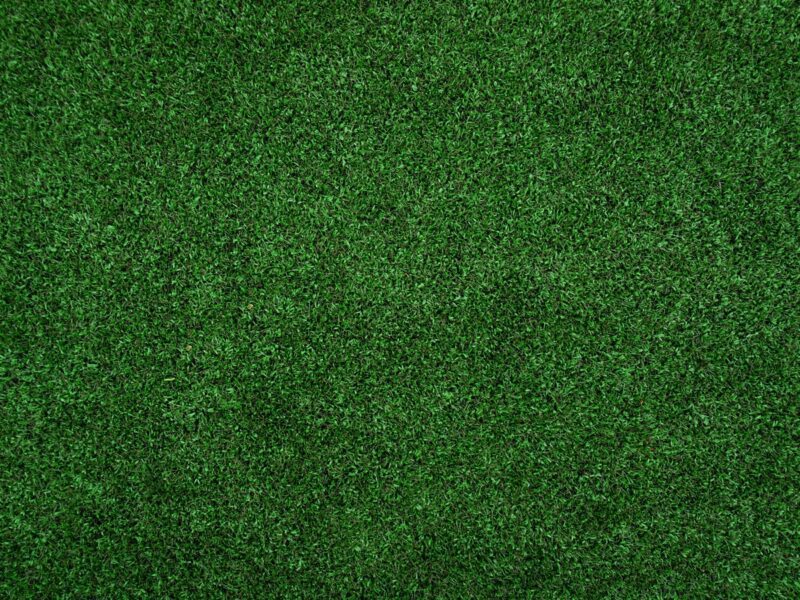
Golf green turf is a specialized synthetic surface engineered to replicate the appearance, texture, and performance of natural grass, particularly the closely mown putting surfaces found on golf courses. Unlike conventional artificial grass, which is often designed for general landscaping, golf green turf is manufactured with tighter tolerances, denser pile structures, and more refined fiber compositions. These characteristics allow it to deliver a consistent ball roll, a realistic appearance, and a soft underfoot feel that meets the expectations of both golfers and design professionals. In recent years, commercial buyers across a wide range of industries have begun to recognize the value of this material, moving it far beyond the fairway and into everyday business environments.
Hotels, corporate offices, fitness centers, and public spaces are increasingly adopting golf green turf as a design and functional solution. In hospitality settings, it transforms rooftops, courtyards, and event lawns into inviting green retreats that require minimal upkeep. In offices, it brings biophilic design principles indoors, creating calmer and more productive workspaces. Gyms and sports facilities use it for putting areas, warm-up zones, and functional training spaces, while municipalities and commercial developers rely on it to green up plazas, medians, and community areas that would otherwise be difficult to maintain. The growing demand reflects a broader shift toward low-maintenance, high-performance surfaces that look good year-round and stand up to heavy use.
Why Golf Green Turf Matters for Commercial Spaces
The commercial case for golf green turf rests on three pillars: aesthetics, sustainability, and durability. Each of these factors influences the bottom line in ways that go well beyond the initial purchase price, and understanding them is essential for any buyer evaluating synthetic turf options.
Visual Appeal and Guest Experience
First impressions matter in commercial environments. A well-installed synthetic putting green or landscaped turf area signals quality, care, and attention to detail. Hospitality venues use green turf to create photogenic spaces that guests naturally share on social media, while corporate campuses use it to soften hard architectural lines and provide employees with a refreshing outdoor area. The consistent color and texture of quality golf green turf means these spaces look pristine every day, without the brown patches, bald spots, or muddy areas that plague natural grass. For businesses that host clients or customers on-site, this reliability of appearance can directly support brand perception and satisfaction.
Reduced Water Usage and Maintenance Costs
Natural grass demands water, fertilizer, pesticides, mowing, aeration, and seasonal overseeding. In regions facing water restrictions or rising utility costs, maintaining a lush lawn can be a significant and unpredictable expense. Golf green turf eliminates irrigation requirements almost entirely and dramatically reduces ongoing labor. Commercial property managers often find that the savings on water bills, landscaping contracts, and equipment maintenance offset the upfront investment within a few years. This is especially true for large installations such as hotel grounds, office courtyards, and public parks, where the cumulative cost of natural turf care can be substantial.
Durability and All-Weather Performance
High-traffic commercial areas demand a surface that can withstand constant use without deteriorating. Golf green turf is engineered with durable fibers and stable backing systems that resist crushing, fading, and wear. It performs in rain, heat, and cold, draining quickly and remaining usable when natural grass would be muddy or dormant. This all-weather reliability extends the usable life of outdoor spaces and ensures that investments in landscaping continue to deliver value throughout the year. For facilities that depend on outdoor areas for revenue or operations, that consistency is invaluable.
Key Selection Criteria for Commercial Buyers
Choosing the right golf green turf requires more than picking a color and a price point. Several technical factors determine how the turf will look, feel, and perform over time. Buyers who understand these criteria can make informed decisions that balance upfront cost with long-term value.
Pile Height and Density
Pile height refers to the length of the individual turf fibers, while density describes how closely those fibers are packed together. Together, these two measurements largely determine the turf’s appearance and resilience. Shorter pile heights, typically in the 10mm to 20mm range, are common for putting greens because they allow for a faster, truer ball roll. Taller piles create a more luxurious, grass-like look suitable for decorative areas. Higher density generally means better resistance to foot traffic and less visible wear. Buyers should match pile specifications to the intended use rather than defaulting to the thickest or shortest option available.
Material Quality and UV Resistance
The quality of the synthetic fibers affects durability, softness, and color retention. Premium products use advanced polymer blends that resist UV degradation, meaning they will not fade or become brittle after prolonged sun exposure. For outdoor commercial installations, UV resistance is non-negotiable; inferior turf may look acceptable in the first year but degrade quickly under intense sunlight. Softness is another consideration, particularly for areas where people may sit, walk barefoot, or play. Buyers should request samples and, where possible, test them under realistic conditions before committing to a large order.
Backing Type and Drainage
The backing system supports the turf fibers and influences drainage, dimensional stability, and installation method. Some backings are perforated to allow water to pass through quickly, which is essential for outdoor installations in rainy climates. Others are designed for indoor use, where drainage is less critical but fire ratings and adhesion may be. The backing also affects how the turf responds to temperature changes and whether it remains flat over time. A reputable supplier will recommend a backing type based on the specific application and climate.
Application Suitability
Not all golf green turf is designed for the same purpose. A product optimized for a putting green will have different characteristics than one intended for a decorative lawn or a gym floor. Buyers should clearly define the primary use of the space before evaluating products. For example, a hotel may prioritize appearance and comfort, while a sports facility may prioritize shock absorption and durability. Matching specifications to application ensures the turf performs as expected and avoids costly replacements. For a deeper look at matching products to specific needs, the guide on choosing the right golf green synthetic grass and outdoor turf offers practical selection frameworks.
Top Recommendations by Commercial Application
Different commercial environments place different demands on synthetic turf. The following recommendations provide a starting point for buyers in common sectors, though final decisions should always be based on specific site conditions and usage patterns.
For Hotels and Hospitality
Hospitality spaces thrive on atmosphere. Turf for hotels should prioritize a natural appearance, soft texture, and consistent color that complements the property’s design. Rooftop bars, pool decks, garden courtyards, and event lawns all benefit from turf that looks lush and feels comfortable underfoot. Fire ratings may also be required for indoor or covered areas. Properties looking to maximize underused spaces may find inspiration in this article on how rooftop artificial turf unlocks hidden value in urban spaces, which explores design and structural considerations for elevated installations.
For Offices and Corporate Campuses
Indoor and semi-indoor office installations call for low-maintenance, fire-rated turf options. These products should be selected with attention to indoor air quality, backing adhesion, and ease of cleaning. In outdoor campus areas, UV stability and drainage become more important. Office environments often use turf in breakout areas, wellness rooms, and reception features, where a clean, modern look supports employee well-being and visitor impressions.
For Gyms and Fitness Facilities
Fitness applications demand durability and shock absorption. Turf used for functional training, sled pushes, agility drills, and warm-up zones must withstand intense point loads and constant movement. Products with higher density and resilient fibers are preferable, and some facilities may require additional padding or shock pads beneath the turf. Golf practice mats and indoor putting areas also fall into this category, and buyers can explore specialized guidance on choosing synthetic turf for commercial golf practice mats to ensure the surface meets both performance and safety expectations.
For Public Spaces and Municipal Projects
Public installations face the widest range of conditions: heavy foot traffic, weather extremes, and varying levels of maintenance. Turf for these environments should be weather-resistant, easy to clean, and highly UV stable. Quick drainage is essential to prevent standing water, and edges must be secured to prevent lifting or tripping hazards. Municipal buyers should also consider long-term availability of replacement stock to ensure consistency across phased projects.
Installation and Maintenance Best Practices
Even the highest-quality golf green turf will underperform if it is installed or maintained incorrectly. Commercial buyers should treat installation as a critical part of the investment and plan for ongoing care from the outset.
Sub-Base Preparation
The sub-base is the foundation of any successful turf installation. It must be properly graded, compacted, and, where necessary, equipped with drainage to manage water flow. An uneven or poorly compacted base can lead to wrinkles, depressions, and premature wear. For outdoor installations, drainage design should account for local rainfall patterns and the permeability of the turf and backing. Skipping or rushing this step is one of the most common causes of long-term problems.
Professional Installation
Professional installers ensure that seams are invisible, edges are secure, and the turf is stretched and secured correctly. Poor seaming can create visible lines and weak points, while inadequate edge fixing can allow the turf to lift or shift. For complex projects, such as multi-level rooftops or irregularly shaped areas, experienced installers can also advise on cutting patterns and infill placement. Buyers should request references and, where possible, inspect completed installations before awarding a contract.
Routine Cleaning
Regular cleaning keeps turf looking fresh and extends its lifespan. A leaf blower or stiff broom removes debris, leaves, and surface dust. For indoor installations, a vacuum with appropriate settings may be used. Spills should be cleaned promptly with mild soap and water, and pet waste, where applicable, should be removed and the area rinsed. Establishing a simple cleaning schedule prevents small issues from becoming larger ones.
Rinsing and Brushing
Occasional rinsing helps remove fine dust and pollen that can dull the turf’s appearance. Brushing the pile with a stiff brush lifts flattened fibers and maintains a consistent, upright look. In high-traffic areas, more frequent brushing may be needed to prevent matting. These simple tasks require minimal time and cost but significantly influence how the turf looks and performs over its service life.
Common Mistakes to Avoid
Many commercial turf problems can be traced back to avoidable decisions made during specification, purchase, or installation. Being aware of these pitfalls helps buyers protect their investment.
- Choosing based solely on upfront cost. The cheapest option often sacrifices fiber quality, UV resistance, or backing integrity, leading to replacement years earlier than necessary. Lifecycle cost analysis provides a more accurate picture.
- Neglecting UV resistance for outdoor use. Turf that is not designed for prolonged sun exposure can fade, crack, or become brittle. Always verify UV performance ratings for outdoor installations.
- Improper installation. Wrinkles, poor drainage, and premature wear are frequently the result of inadequate sub-base preparation or unskilled installation. Cutting corners here undermines even premium products.
- Ignoring maintenance requirements. Some buyers assume synthetic turf requires no care at all. While maintenance is minimal compared to natural grass, basic cleaning and brushing are still necessary to preserve appearance and longevity.
- Overlooking fire ratings for indoor use. Indoor installations may need specific fire-rated products to meet building codes and insurance requirements. Failing to confirm this can delay projects or force costly replacements.
Future Trends and Outlook
The golf green turf market is evolving rapidly, driven by advances in materials science, sustainability goals, and changing expectations among commercial buyers. One notable trend is the development of bio-based and recycled-content fibers, which reduce reliance on virgin plastics and appeal to organizations with environmental commitments. Manufacturers are also improving backing systems to enhance drainage and reduce weight, making installation on rooftops and elevated structures easier and more cost-effective. Another emerging direction is the integration of smart features, such as embedded sensors for performance monitoring or cooling technologies that reduce surface temperature in hot climates. As water scarcity and urban densification continue to shape planning decisions, demand for high-quality synthetic turf is expected to grow, particularly in hospitality, retail, and public realm projects. Buyers who stay informed about these developments will be better positioned to specify products that remain competitive and compliant for years to come.
FAQs
How long does golf green turf last?
Typically, quality golf green turf lasts between 8 and 15 years, depending on the product grade, installation quality, usage intensity, and maintenance. Commercial-grade products with strong UV resistance and durable backings tend to sit at the higher end of that range.
Can golf green turf be installed indoors?
Yes, it can be installed indoors provided the product has an appropriate backing and meets relevant fire ratings. Indoor installations may also require different adhesives and edge treatments than outdoor projects.
Is golf green turf pet-friendly?
Some variants are pet-friendly, but this depends on the manufacturer and product specifications. Buyers should check for antimicrobial treatments, drainage capability, and fiber durability if pets will use the area.
What kind of warranty is available?
Warranties vary by product, but commercial-grade golf green turf often comes with 5- to 10-year warranties covering fading, fiber loss, and manufacturing defects. Buyers should read warranty terms carefully and confirm what is covered under normal commercial use.
Where can I find suitable products for my project?
Exploring a dedicated range of golf green turf options is a practical first step. For putting greens and mini golf applications, specific product lines such as 10mm to 20mm putting green turf offer tailored performance characteristics worth reviewing.
Conclusion
Golf green turf has become a versatile, low-maintenance solution for commercial spaces of all kinds. From hotel courtyards and office wellness areas to gyms and public plazas, it delivers consistent appearance, durability, and reduced operating costs. The key to a successful project lies in evaluating specific needs, understanding the technical criteria that affect performance, and selecting a product that balances aesthetics, durability, and budget. Equally important is proper installation and a realistic maintenance plan. Buyers who invest time in these decisions avoid common pitfalls and get far more value from their investment. Working with experienced manufacturers and suppliers ensures that specifications, installation, and aftercare are aligned from the start. For project-specific guidance or to discuss requirements, reaching out through the contact page is a straightforward way to get expert support and move a commercial turf project forward with confidence.